Analyzing Groundwater Flow and Its Impact on Geotechnical Design
Understanding Groundwater Flow in Engineering
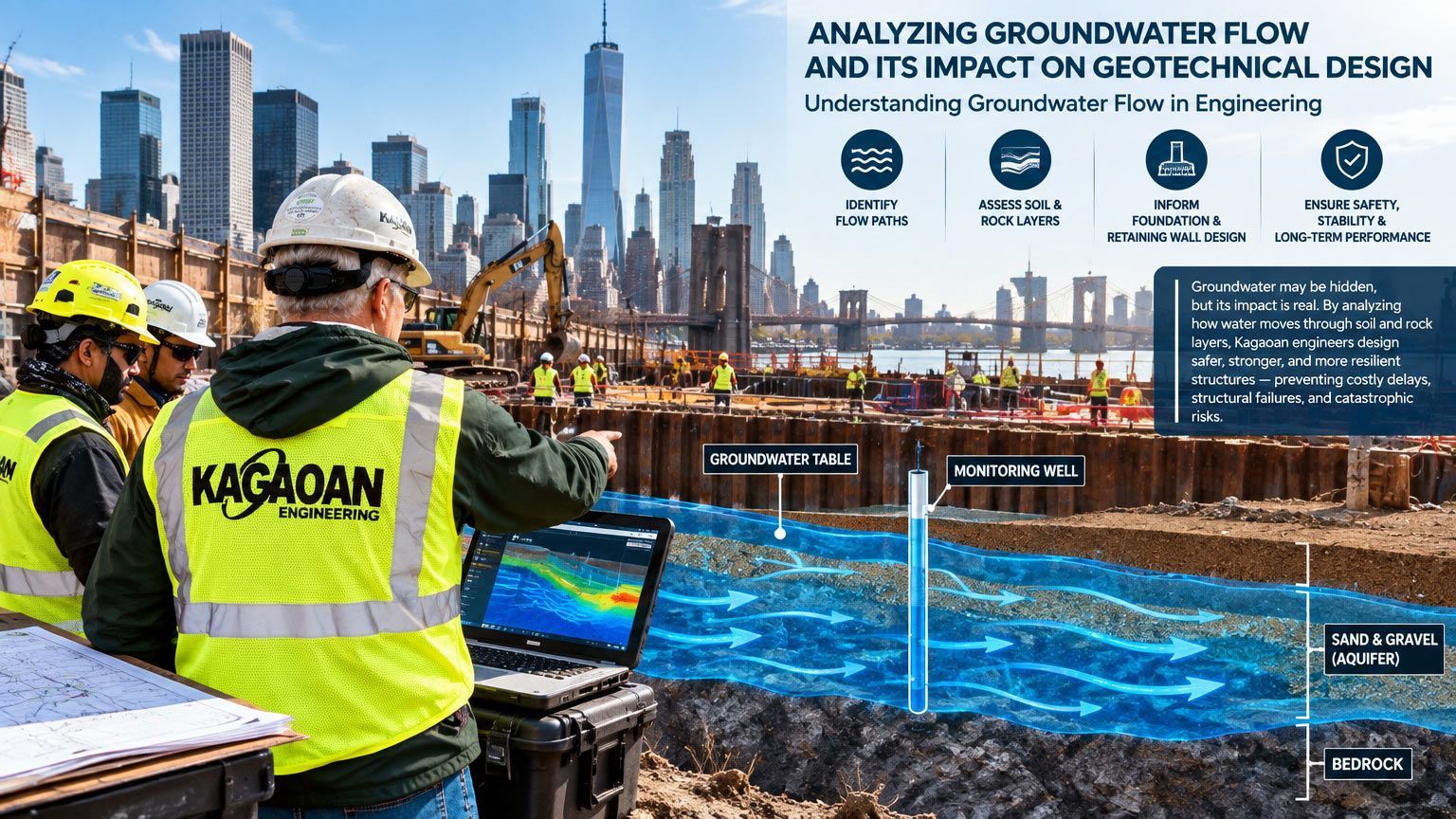
Navigating the complexities of groundwater flow is critical in the realm of geotechnical design. Groundwater, hidden beneath the surface, can significantly affect the stability and safety of structures. Engineers must identify how water moves through soil and rock layers to design foundations, retaining walls, and other structural elements effectively. Without this understanding, construction projects risk costly delays, structural failures, or even catastrophic collapses.
At the core of geotechnical engineering is the intricate relationship between natural forces and human-made solutions. Groundwater flow, driven by gravity and pressure differences, interacts with soil properties such as permeability, porosity, and stratification. These interactions directly influence soil behavior and, ultimately, the feasibility of construction projects.
While the science of groundwater flow may be well-documented, its application differs from one project to the next. The unique combination of site conditions, soil characteristics, and project requirements demands expertise. This is where Kagaoan Engineering steps in, applying cutting-edge analysis and solutions to transform potential engineering challenges into manageable opportunities.
The Challenges of Groundwater in Construction
Water is a powerful force. Even at the subsurface level, it can undermine structures, destabilize slopes, and seep into basements or tunnels. One of the most prevalent challenges is water-induced soil movement, also known as soil heaving. When water infiltrates soil, the particles expand, creating upward pressure. This is particularly problematic for structures such as pavements, foundations, or pipelines, which can crack or shift under uneven forces.
Another critical issue is soil erosion caused by groundwater flow. Over time, water can wash away fine soil particles, leading to voids or sinkholes. This phenomenon, known as piping, is especially hazardous in loose, sandy soils. Coupled with fluctuating groundwater levels due to seasonal changes, it creates an unpredictable and volatile situation, impacting project schedules and budgets.
Groundwater flow presents environmental concerns that engineers must address, such as contamination migration. Pollutants can hitch a ride on groundwater, spreading across vast areas and compromising ecosystems. Construction activities that involve excavation or dewatering can unintentionally exacerbate this problem without proper planning.
These challenges highlight the importance of advanced groundwater analysis in every stage of the engineering process. Proper evaluation safeguards structural integrity and ensures compliance with environmental regulations, protecting both human and natural systems.
The Role of Groundwater Flow in Geotechnical Design
Geotechnical design relies on a deep understanding of how soils, rock, and water interact. Groundwater plays a critical role and shapes design decisions in several ways.
For instance, bearing capacity, or the ability of soil to support structural loads, is closely tied to groundwater levels. Saturated soils generally have lower strength, which can compromise foundation stability. This is especially relevant for high-rise buildings, bridges, or heavy industrial facilities, where uneven settlement can lead to disastrous outcomes.
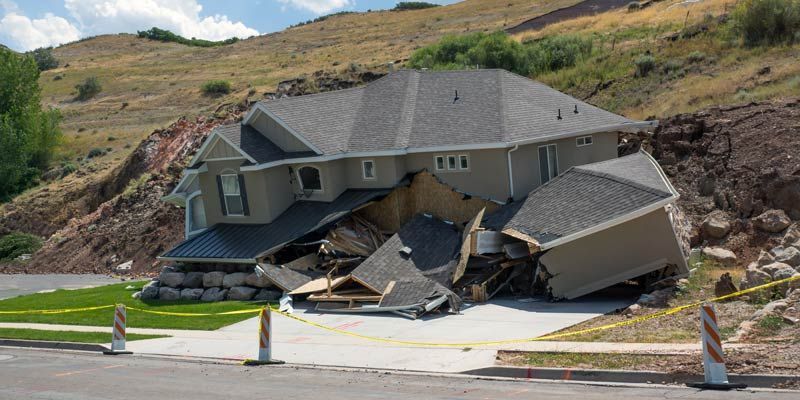
Slope stability is another area where groundwater must be carefully considered. Whether designing roadways, dams, or retaining walls, engineers must account for the risk of landslides triggered by increased water pressure within slopes. Elevated pore water pressure reduces soils' frictional strength, causing them to fail under their own weight.
Groundwater also affects excavation and tunneling activities. When engineers encounter saturated soils or high water tables during construction, dewatering becomes a necessity. However, excessive dewatering can cause surrounding soils to settle or neighboring structures to shift, posing additional risks.
Kagaoan Engineering integrates techniques like hydraulic modeling and permeability testing to predict groundwater movement across project sites. These insights guide engineers in designing effective drainage systems, selecting appropriate materials, and ensuring the overall safety of construction works.
Advanced Techniques for Groundwater Analysis
The science of groundwater analysis has evolved significantly over the past decades. Modern geotechnical engineers rely on a suite of tools and techniques to assess site conditions accurately and make data-driven decisions.
One key method is groundwater monitoring, where piezometers and observation wells provide real-time data on water levels and pressures. Pairing this information with numerical modeling allows engineers to simulate groundwater behavior under various scenarios, from prolonged rainfall events to construction-induced disturbances.
Hydraulic conductivity testing is another crucial procedure. By measuring how easily water flows through a particular soil or rock type, engineers can project seepage rates and design contingency plans. Permeability is not uniform; it varies between fine-grained clays, loose sands, and fractured rocks. Understanding these differences is essential for creating stable foundation systems.
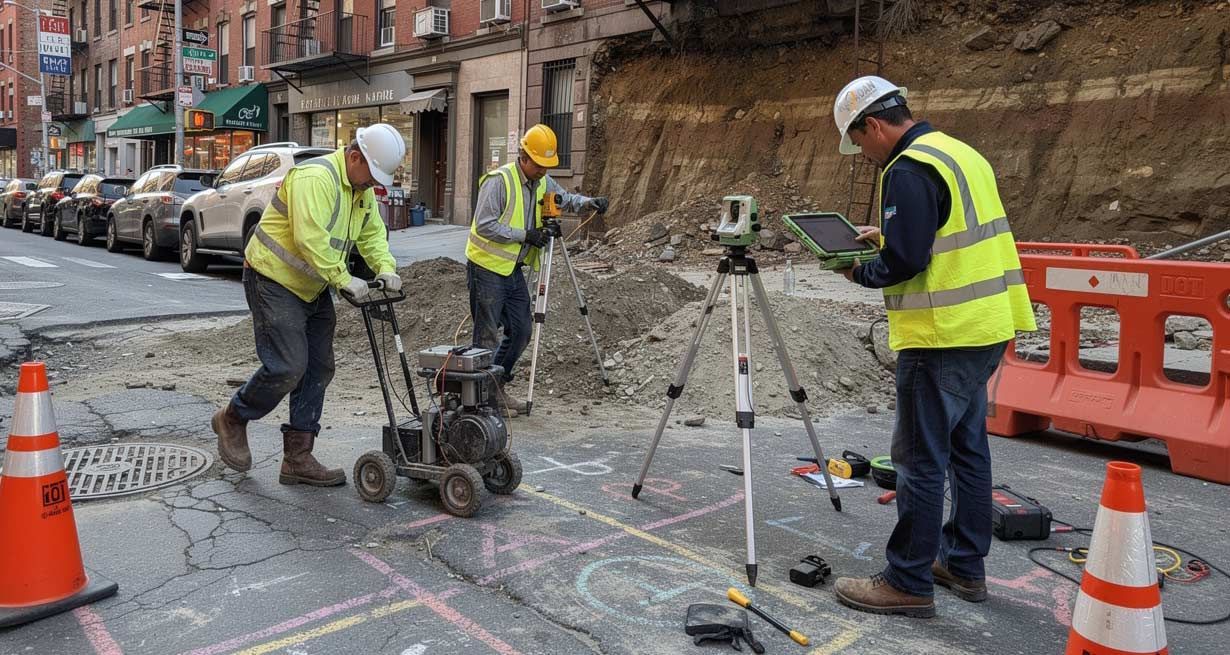
At Kagaoan Engineering, another innovative strategy involves geophysical surveys like electrical resistivity tomography (ERT). These non-intrusive tools map subsurface conditions and identify areas of moisture or saturation. Combined with traditional methods, they provide a holistic view of groundwater flow and its potential impacts.
Digital advancements are also shaping groundwater analysis. Geographic information systems (GIS) and machine learning algorithms enable predictive analytics, highlighting potential hotspots before they become problems. These innovations don’t just save time; they empower engineers to stay proactive, turning groundwater from a liability into a manageable variable.
How Kagaoan Engineering Addresses Groundwater Challenges
With decades of experience and a commitment to technical excellence, Kagaoan Engineering is uniquely positioned to tackle the complexities of groundwater flow in geotechnical design. Our team understands that there is no one-size-fits-all solution. Instead, we tailor each project to site-specific conditions, applying state-of-the-art tools and methodologies.
We prioritize comprehensive site investigations, ensuring we understand every layer of soil and rock before breaking ground. This approach helps us anticipate groundwater challenges and mitigate issues before construction begins. Whether it’s determining the safest depths for excavation or designing effective cutoff walls to prevent seepage, we leave no detail overlooked.
Additionally, our team takes pride in addressing regulatory compliance and environmental stewardship. Groundwater contamination poses risks not just to projects but to entire communities. We work closely with environmental engineers to design systems that contain potential contaminants, safeguarding water resources for future generations.
Our commitment to collaboration ensures seamless communication between all stakeholders. By integrating our expertise with client goals and contractor strategies, we deliver results that are not only cost-effective but sustainable in the long term. Ultimately, Kagaoan Engineering bridges the gap between scientific understanding and practical application, setting the foundation for safe and successful construction projects.
Moving Forward
Groundwater flow remains one of the most critical, yet challenging, factors in geotechnical engineering. Its unpredictable nature demands rigorous analysis, innovative thinking, and technical expertise. The stakes are high, but the solutions are within reach.
With the right approach, groundwater challenges can be mitigated or even eliminated. Kagaoan Engineering continues to push the boundaries of what’s possible, turning complex subsurface conditions into opportunities for durable, reliable infrastructure. By focusing on precision and adaptability, we help clients build with confidence—against the odds and below the surface.