The Impact of Climate Change on Geological Engineering
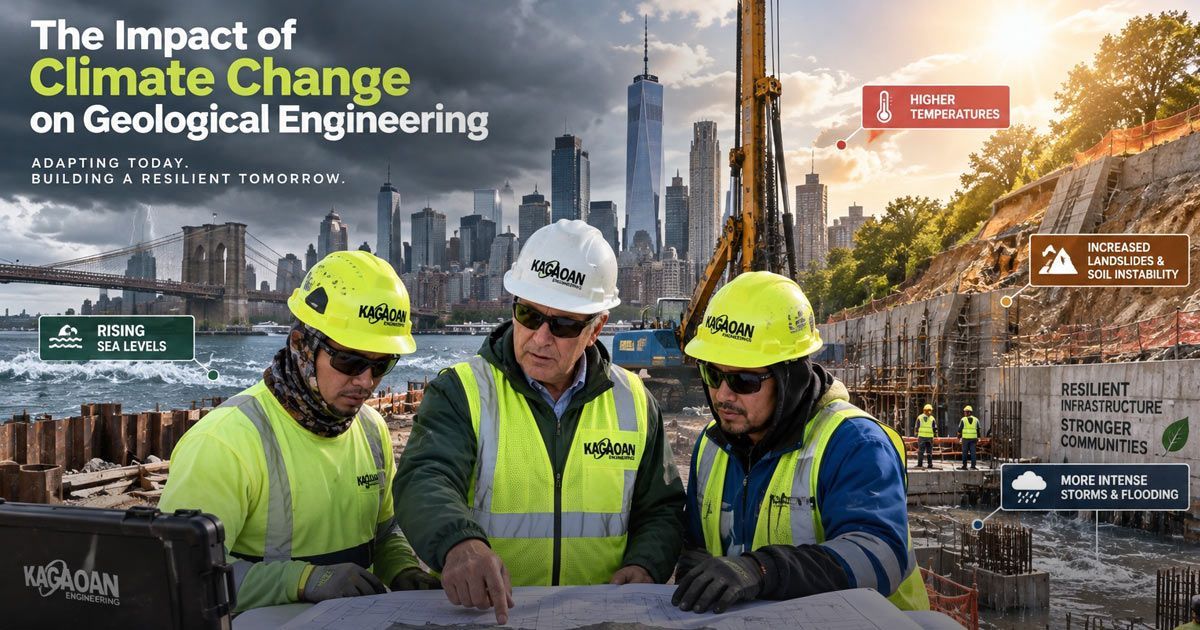
The Changing Landscape of Geological Engineering
Climate change is no longer a distant concern—it is an immediate force shaping the world around us. Its far-reaching effects extend to industries like geological engineering, where professionals are grappling with unparalleled challenges and exploring innovative solutions. From altering soil stability to intensifying natural hazards, climate change is redefining how engineers design, plan, and build resilient infrastructure. This article examines how climate change is impacting geological engineering practices, outlines key challenges, and highlights advancements helping the field adapt to this global phenomenon.
Geological engineering has always centered on understanding Earth’s materials and processes to develop safe, efficient solutions for construction, resource extraction, and environmental preservation. However, the field's foundational assumptions are being upended by climate shifts. Rising global temperatures, sea-level changes, and extreme weather events are creating dynamic, unpredictable conditions that force engineers to rethink traditional approaches.
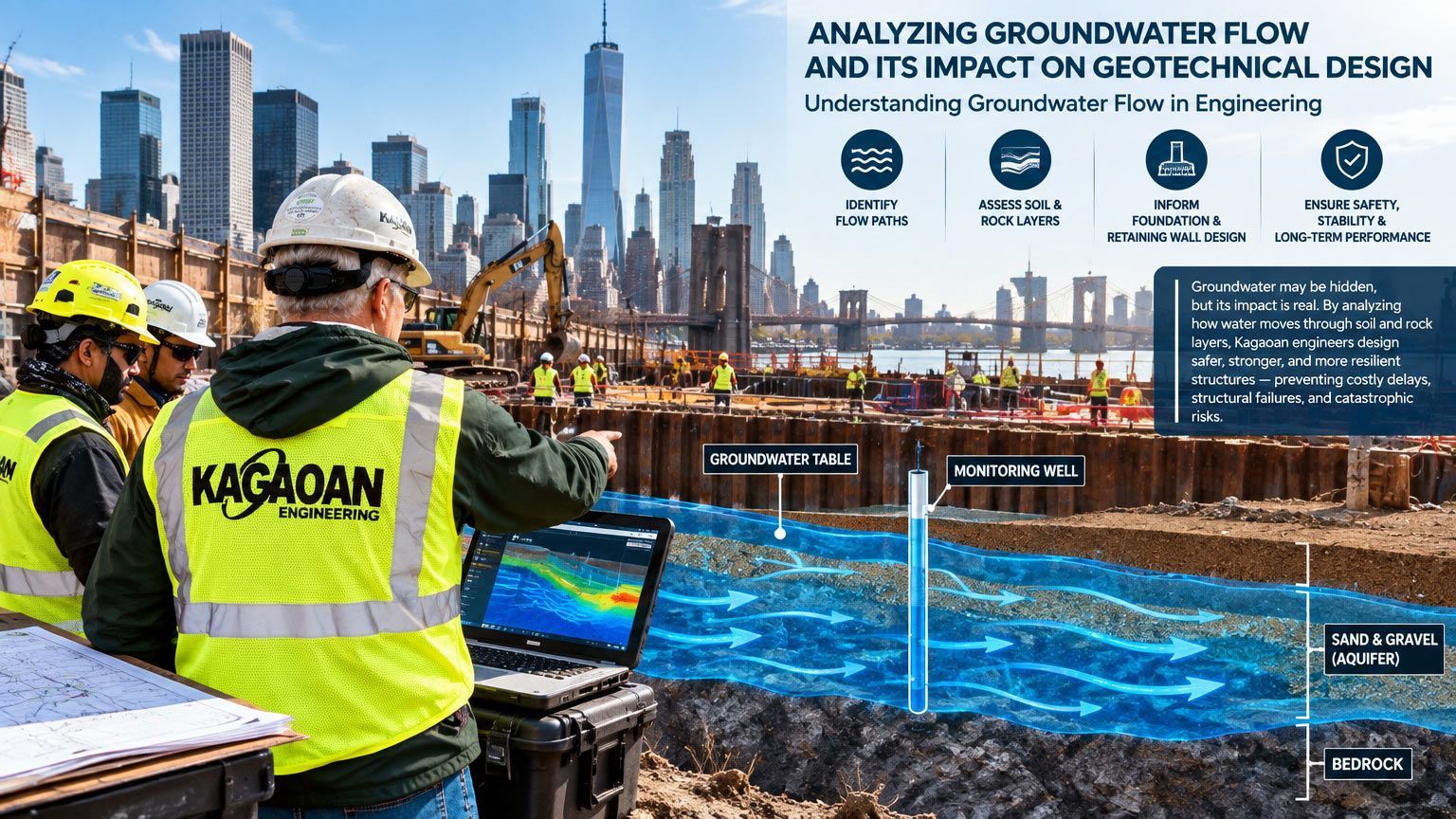
One of the most visible impacts is the increasing stress placed on the Earth's surface due to temperature fluctuations. Variations in climate can accelerate erosion, destabilize slopes, and even alter groundwater flow. For geological engineers, this means more complex monitoring and risk analysis to ensure projects meet evolving environmental conditions.
Soil Stability and Climate Variability
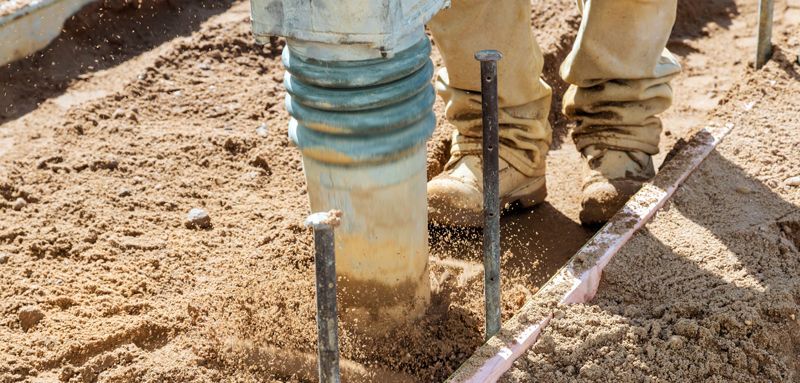
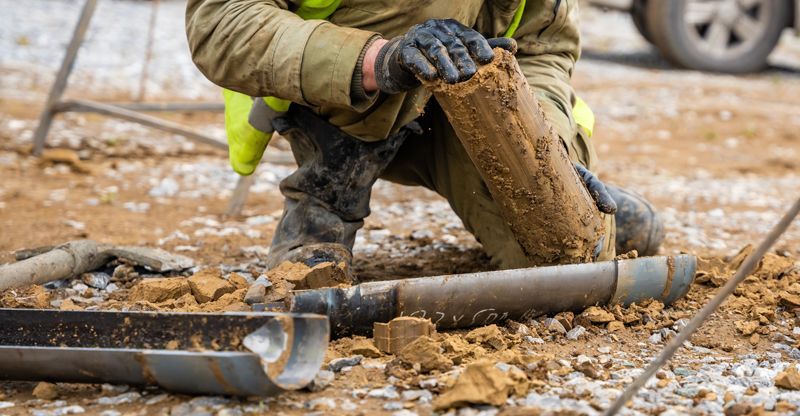
Perhaps the most immediate concern for geological engineers is the interface between climate change and soil stability. Soil is highly sensitive to environmental changes, and even small shifts in temperature or precipitation can lead to significant consequences.
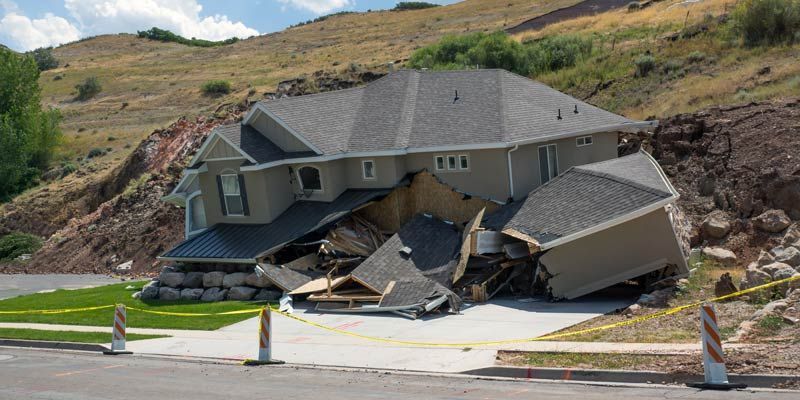
More intense rainfall events, a hallmark of climate change, increase the likelihood of soil erosion and landslides. Saturated soils lose their structural integrity, compromising the stability of buildings, bridges, and other infrastructure. Coastal areas, in particular, face dual threats from sea-level rise and storm surges, which exacerbate soil salinization and erosion.
On the other end of the spectrum, prolonged droughts dry out soil, leading to shrinkage and cracking. This is particularly concerning for regions with clay-rich soils, which expand and contract dramatically with moisture changes. The resulting ground movement can place added stress on foundations, pipelines, and roads, increasing maintenance costs and accident risks.
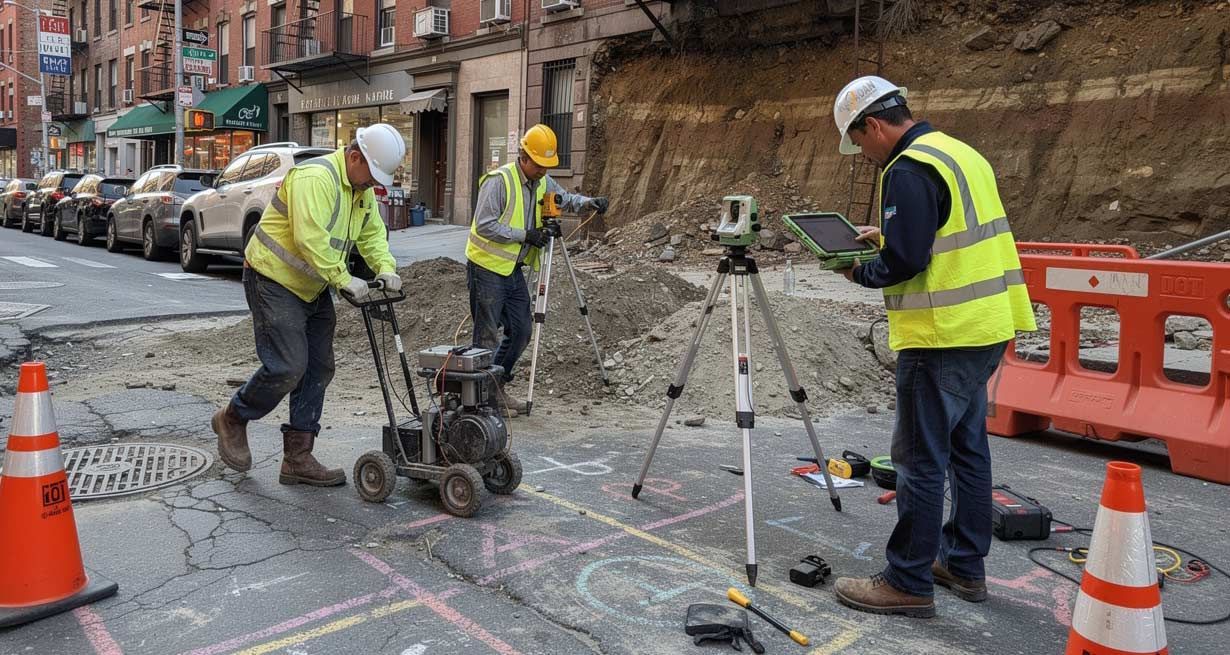
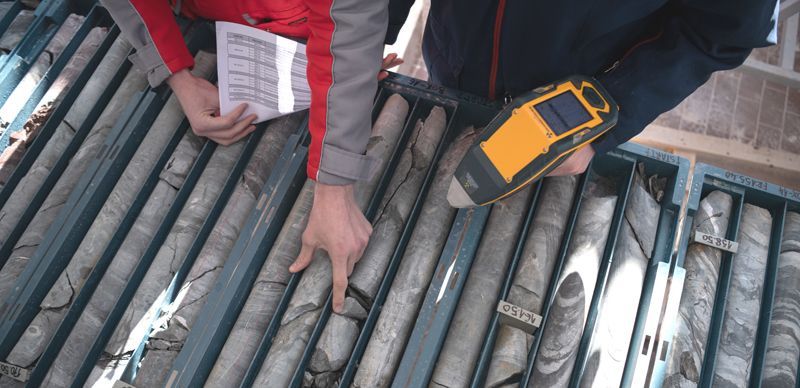
To mitigate these challenges, geological engineers are turning to advanced techniques like predictive soil modeling and real-time environmental monitoring. These innovations allow engineers to anticipate soil behavior and implement preemptive solutions, from improved drainage systems to reinforced foundation designs.
Impact on Infrastructure and Natural Hazards
Climate change is also reshaping the interaction between geological engineering and natural hazards. Earthquakes, landslides, and flooding are no longer viewed solely as isolated incidents but as threats amplified by shifting climate patterns.
For instance, the melting of alpine glaciers has destabilized mountain slopes, triggering landslides in areas previously deemed safe. This poses a significant challenge for infrastructure, such as roads, railways, and pipelines, located in mountainous regions. Engineers must now incorporate additional safety measures to address these high-risk scenarios, often relying on remote sensing technologies to monitor geological activity in real time.
Flooding, meanwhile, remains one of the costliest climate-related disasters. More frequent and severe precipitation events challenge engineers tasked with designing resilient drainage systems and flood barriers. Not only must these structures withstand higher volumes of water, but they must also address the compounded effects of rising sea levels. Coastal regions worldwide are grappling with saltwater intrusion into aquifers, undermining the functionality of water supply systems and agricultural practices.
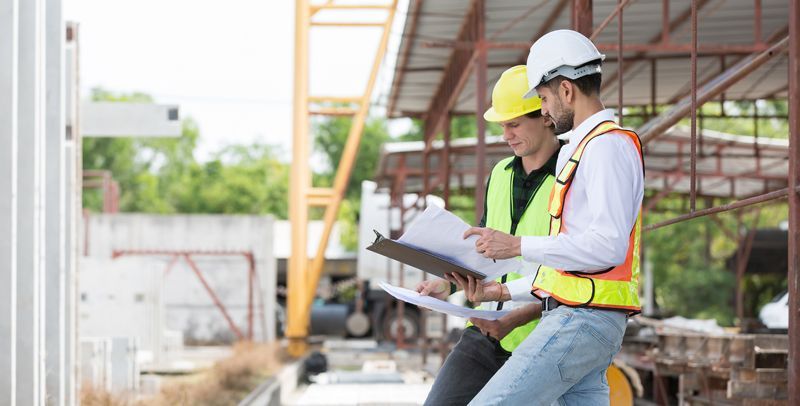
By utilizing hydrological modeling and GIS mapping, geological engineers can better predict areas prone to flooding and design infrastructure capable of adapting to future scenarios. These solutions often involve multi-disciplinary collaboration, bringing together experts from geology, hydrology, and climate science to address the growing complexity of modern engineering problems.
Innovations Driven by Climate Challenges
While climate change introduces significant hurdles, it has also spurred innovation within geological engineering. New materials, techniques, and technologies are emerging to build more adaptive and sustainable infrastructure.
One such innovation is the development of climate-resilient construction materials. Engineers are exploring alternative concrete formulations that absorb less heat or repel water more effectively. These materials reduce the environmental footprint of construction while enhancing performance under fluctuating conditions.
Energy-efficient solutions are becoming critical as well. Geoengineering projects increasingly incorporate geothermal technologies, tapping the Earth's natural heat for sustainable energy. Beyond power generation, geothermal systems can protect infrastructure by regulating subsurface temperatures, mitigating the effects of permafrost thaw in colder climates.
Another key advancement is the use of artificial intelligence (AI) and machine learning for data analysis. These technologies allow geological engineers to analyze vast datasets, identifying patterns and risks that were previously undetectable. With predictive algorithms, engineers gain insights into how climate change might influence specific locations decades into the future, enabling smarter design choices today.
Collaborative frameworks are gaining prominence, too, as private and public sectors join forces to confront shared climate risks. Governments and institutions are partnering with engineering firms to create long-term strategies that address both local vulnerability and global challenges, integrating climate adaptation into urban planning and infrastructure development.
Addressing Ethical and Environmental Responsibilities
Geological engineering is not only about overcoming technical challenges; it also involves a moral dimension. Adapting to climate change requires engineers to uphold environmental principles and think critically about how projects impact ecosystems and communities.
Balancing the demand for resources with environmental stewardship is one of the field’s most pressing dilemmas. Certain construction activities, such as mining or tunneling, leave a lasting ecological footprint. Engineering professionals must now prioritize strategies that restore or preserve natural habitats post-development.
Additionally, the push toward renewable energy has highlighted the role geological engineers play in the transition to sustainability. Projects like wind farms and solar parks depend heavily on geological assessments to determine optimal sites, stabilize foundations, and minimize environmental harm. This new focus encourages a paradigm shift within the industry, where innovation must go hand in hand with ecological responsibility.
Preparing for the Future
Climate change presents a unique opportunity for geological engineers to lead the way in climate adaptation and mitigation. The field is evolving rapidly to meet modern demands, with a steady stream of breakthroughs demonstrating the resilience and ingenuity of engineering solutions.
Organizations like Kagaoan Engineering are particularly well-positioned to drive this transformation. By combining technical expertise with a forward-thinking approach, geological engineers can build solutions that protect communities and ecosystems against the unpredictable nature of a changing planet.
Ultimately, climate change underscores both the fragility and adaptability of our infrastructure. Through careful planning, innovative technology, and a commitment to sustainability, geological engineering can continue to rise to the challenge—shaping a future built to weather environmental uncertainty.