How Geotechnical Engineers Approach Environmental Issues
Understanding the Role of Geotechnical Engineers in Environmental Challenges
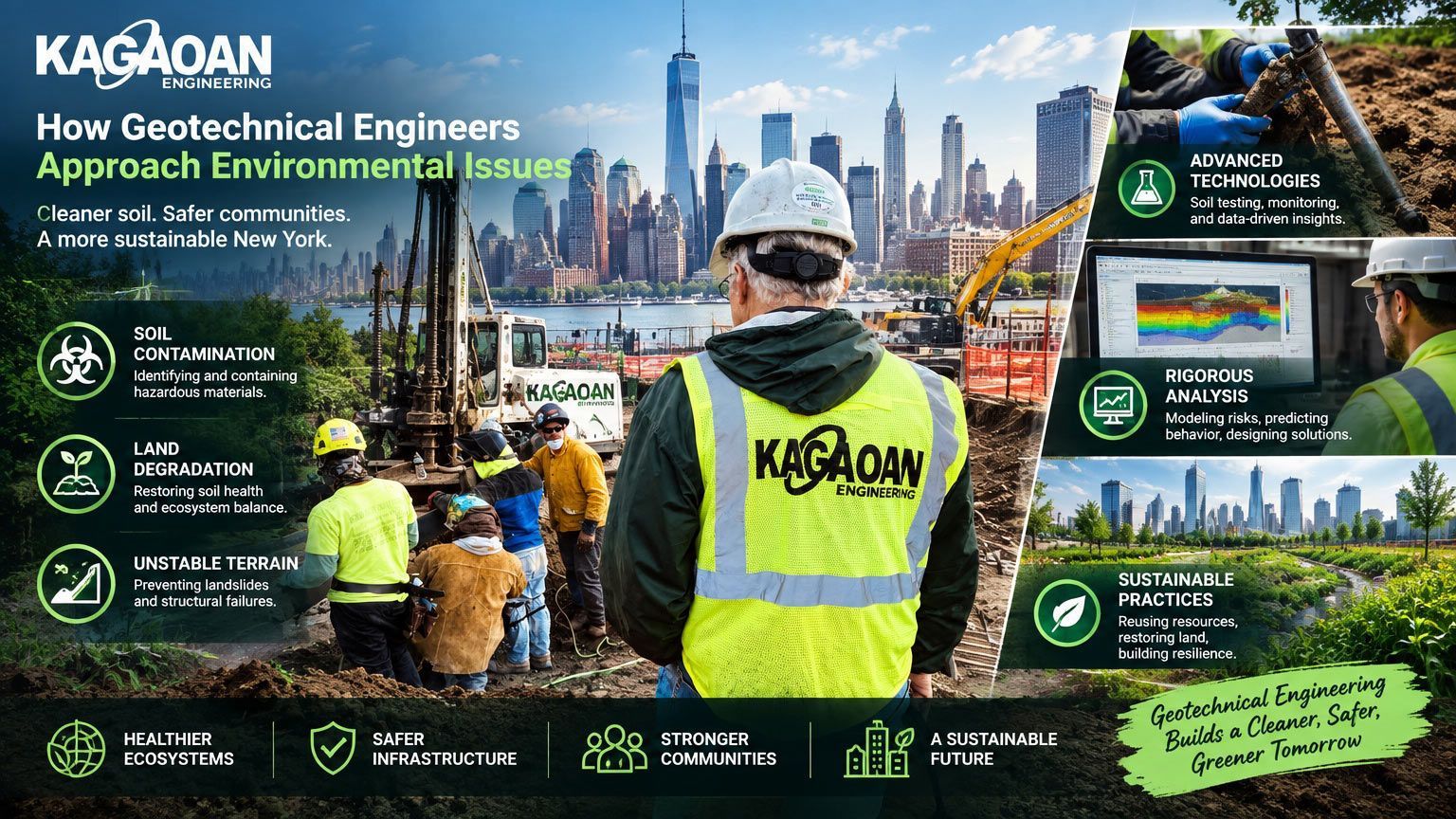
Environmental issues such as soil contamination, land degradation, and unstable terrain threaten ecosystems and human structures alike. Geotechnical engineers, specialists in the behavior of earth materials, play a pivotal role in tackling these challenges. Combining advanced technologies, rigorous analysis, and sustainable practices, they are instrumental in mitigating environmental risks and fostering sustainable development. This article highlights how geotechnical engineers address these complex environmental issues and their contribution to protecting our planet.
The field of geotechnical engineering focuses on understanding the mechanical and structural behavior of soil, rock, and other earth materials. What makes geotechnical engineers unique is their ability to analyze how these materials interact with built structures and natural systems. Their expertise becomes critical when dealing with environmental issues like erosion, land subsidence, and pollution, which can have devastating impacts if left unchecked.
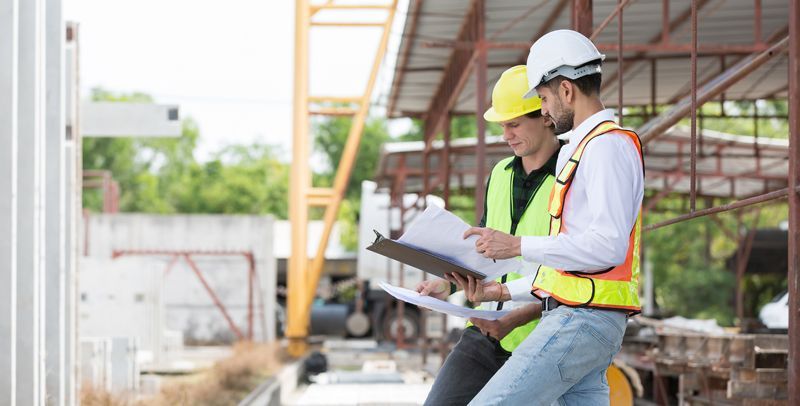
Environmental challenges often arise from human activities such as industrial processes, mining, and construction projects. Geotechnical engineers step in to assess how these activities affect the surrounding environment. They evaluate soil stability, test for contaminants, and determine how natural phenomena like floods and earthquakes could exacerbate existing environmental hazards. Through their meticulous assessments, they gather the data needed to design solutions that minimize harmful environmental consequences while supporting sustainable human development.
Core Methodologies of Geotechnical Engineering in Environmental Protection
Geotechnical engineers rely on a combination of traditional principles and cutting-edge technology to manage environmental challenges effectively. Below are the foundational methodologies they employ:
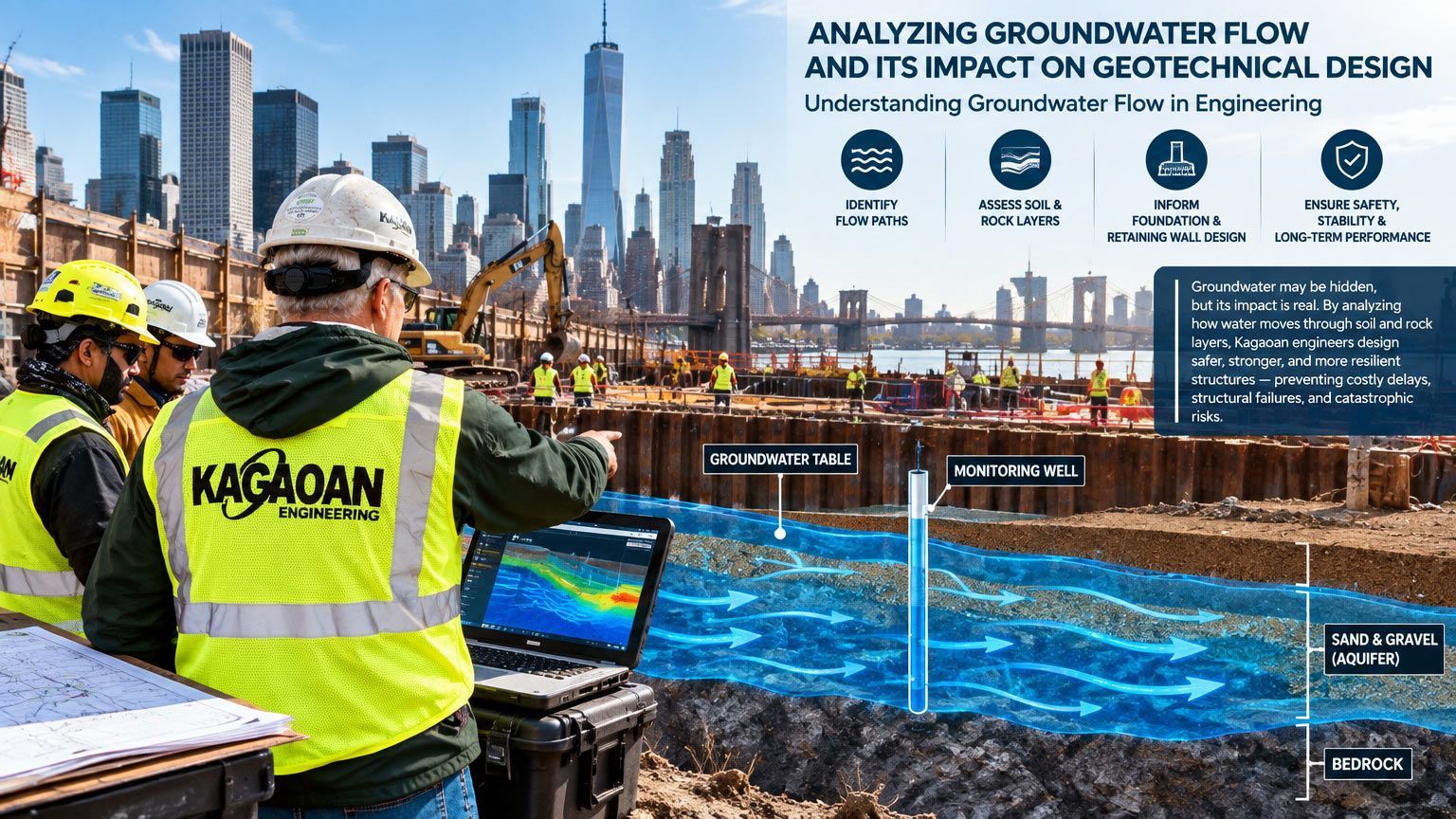
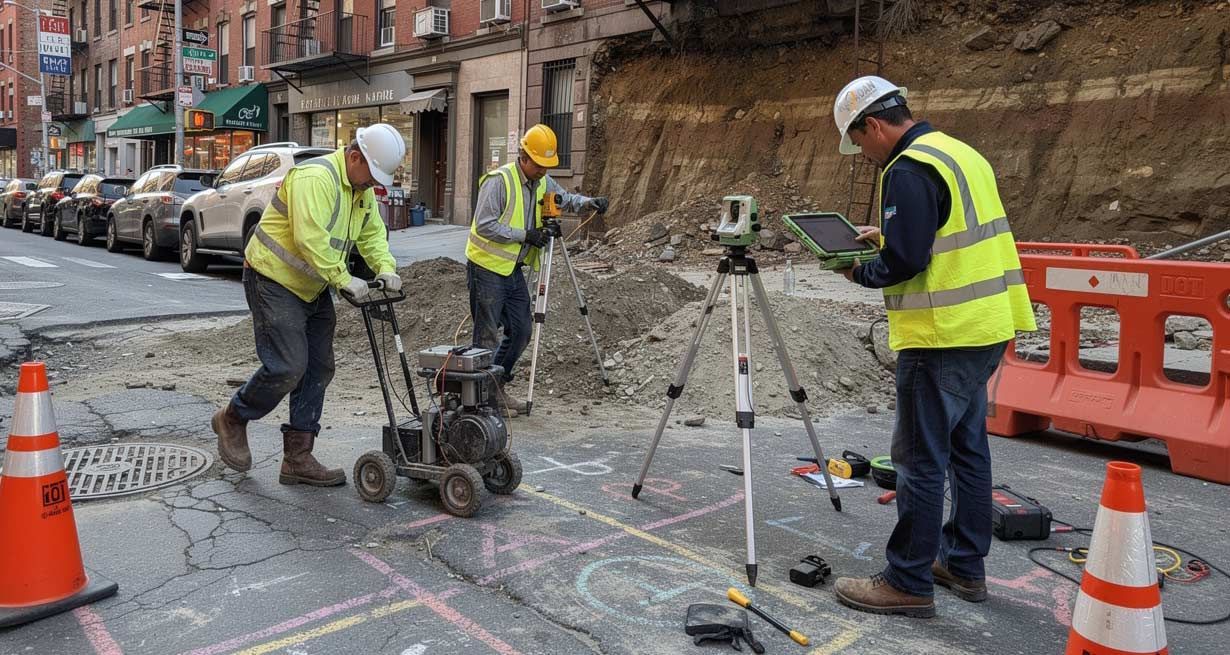
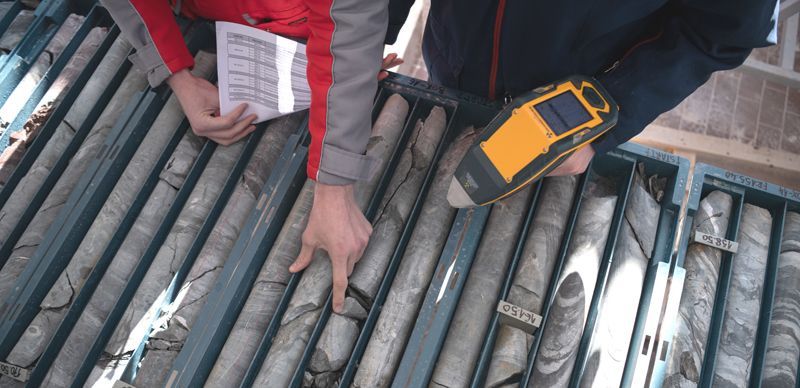
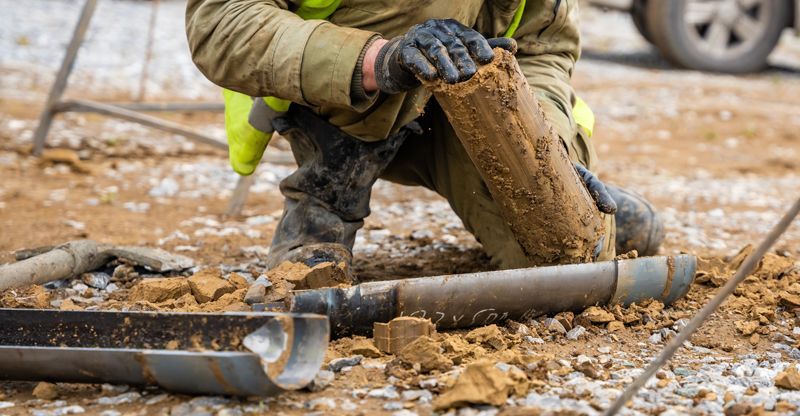
- Site Investigation and Risk Assessment - The starting point for addressing any environmental issue is gaining a thorough understanding of the affected site. Geotechnical engineers perform detailed site investigations to collect data about soil composition, groundwater levels, and potential contaminants. Techniques like boring logs, test pits, and geophysical surveys are used to analyze subsurface conditions. These investigations enable engineers to identify risks such as soil instability, erosion potential, or chemical pollution. By clearly understanding the vulnerabilities of a specific site, they develop targeted strategies for mitigation and remediation.
- Soil and Groundwater Testing - One of the most critical tasks for geotechnical engineers is determining the extent of soil and groundwater contamination. They conduct chemical analyses to identify pollutants such as heavy metals, hydrocarbons, and industrial byproducts. With this information, they design effective remediation methods, often in cooperation with environmental scientists. For example, if a site’s groundwater is contaminated by industrial waste, geotechnical engineers may design barriers to isolate the polluted area while employing advanced techniques like bioremediation to restore the environment.
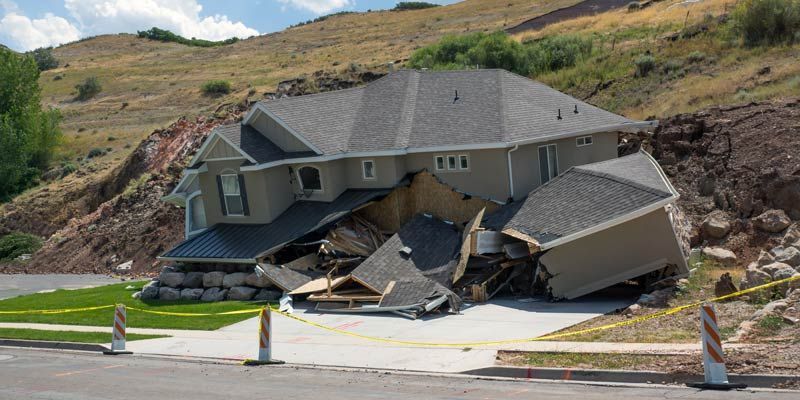
- Stabilization of Unstable Terrain - Natural forces and human interference can lead to soil erosion, landslides, and subsidence, all of which pose significant environmental threats. Geotechnical engineers combat these problems by stabilizing loose or unstable terrain. Common techniques include:
- Reinforcing slopes using retaining walls and erosion control systems
- Installing drainage networks to redirect water and reduce hydrostatic pressure
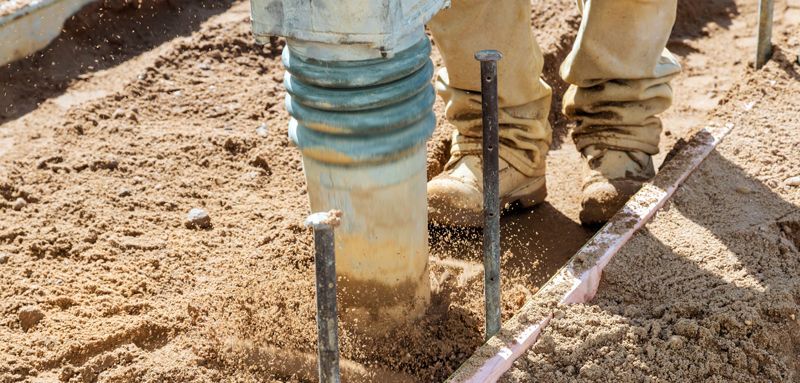
- Utilizing soil stabilization methods, such as chemical treatments or geosynthetic reinforcements
- These solutions prevent further degradation of the land, protecting ecosystems and reducing the risk of catastrophic events.
- Renewable Resource Management - Modern geotechnical engineers are deeply involved in renewable energy projects like wind farms, solar installations, and geothermal plants. Their role is to assess and prepare sites to ensure these projects are both safe and sustainable. For instance, in designing a wind farm, geotechnical engineers analyze soil strength and load-bearing capacity to ensure the turbines can withstand both static and dynamic forces while minimizing disruption to the local environment.
- Sustainable Design and Infrastructure Development - Sustainability is at the heart of modern geotechnical engineering. By adopting designs that work with nature rather than against it, these engineers align infrastructure development with environmental conservation. For example, they may recommend permeable pavements to reduce surface runoff in urban areas, preventing flooding and protecting nearby water bodies. Additionally, geotechnical engineers often incorporate recycled materials into construction designs, reducing waste and the environmental footprint of projects. Their expertise ensures that developments not only meet immediate human needs but also comply with long-term sustainability goals.
Innovations Driving Environmental Solutions in Geotechnical Engineering
Geotechnical engineering continues to evolve, with technological advances revolutionizing how engineers approach environmental problems. A few notable innovations include:
- Advanced Geotechnical Monitoring Systems - Geotechnical engineers utilize advanced monitoring technologies like remote sensing, drones, and GPS instrumentation to keep an eye on changes in soil and terrain. These tools allow for the early detection of risks such as soil erosion or ground deformation, enabling engineers to act proactively and reduce environmental damage.
- Geosynthetic Materials - Geosynthetics such as geo-grids, geomembranes, and geotextiles are increasingly integrated into geotechnical projects. These materials enhance soil strength, improve filtration, and prevent contaminants from spreading to adjacent areas. Their efficiency and durability make them a go-to solution for managing environmental challenges.
- Artificial Intelligence and Predictive Modeling - AI-based software is reshaping the way geotechnical engineers analyze risks and develop solutions. By simulating various environmental scenarios, predictive modeling tools support decision-making in areas like landslide prevention, flood control, and clean-up of contaminated land. These tools save time and resources while improving the accuracy of engineering strategies.
- The Broader Impact on Sustainable Development - The work of geotechnical engineers extends far beyond solving isolated environmental issues; it contributes significantly to the global push for sustainable development. Their designs ensure that communities are safe from environmental hazards while preserving natural ecosystems. By mitigating pollution, stabilizing compromised landscapes, and supporting renewable energy initiatives, geotechnical engineers help industries align with both regulatory requirements and sustainability goals. Their work is especially important in urban centers, where infrastructure must balance functionality with environmental responsibility.
Challenges and Opportunities Ahead
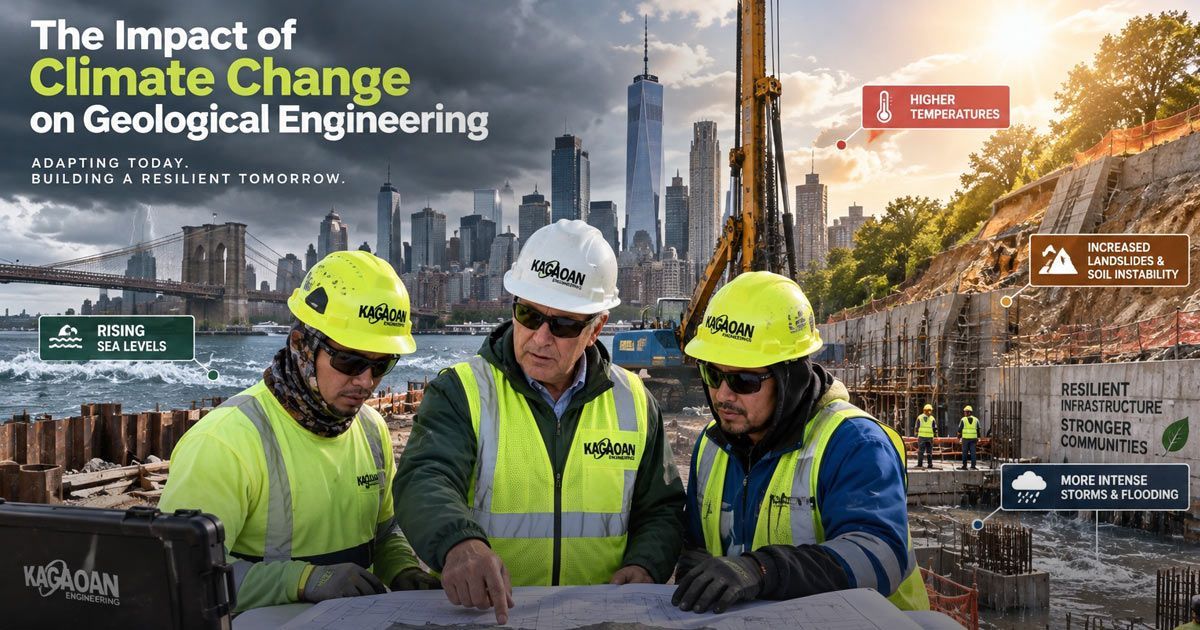
Despite their progress, geotechnical engineers face significant challenges in addressing widespread environmental degradation. Climate change exacerbates problems like soil erosion and flooding, requiring engineers to continuously adapt their methods. Additionally, rapid urbanization increases the demand for innovative geotechnical solutions that protect both human settlements and the surrounding environment.
Looking ahead, collaboration between geotechnical engineers, environmental scientists, and policymakers will be crucial. By working together, these groups can align technological advancements with sustainable development goals, ensuring that future infrastructure projects are environmentally responsible.
Closing Thoughts
Geotechnical engineers play a crucial role in addressing today’s environmental challenges through their ability to merge scientific rigor with practical solutions. By investigating risks, stabilizing landscapes, and supporting sustainability in construction and energy projects, they not only protect the environment but also enhance the resilience of communities worldwide. Their work exemplifies how thoughtful engineering can be a force for both environmental preservation and economic progress.
For organizations aiming to integrate sustainable practices into their projects, geotechnical engineers provide the expertise needed to ensure their goals are met responsibly and effectively. At Kagaoan Engineering, we are committed to advancing these efforts through innovative solutions that prioritize both safety and environmental stewardship.